What's Inside
- The Undisputed Classics: Best Indian Recipes to Master First
- Beyond the Restaurant Menu: Street Food & Home-Style Gems
- The Heart of the Matter: Essential Indian Cooking Knowledge
- Navigating Regional Flavors: A Quick Tour
- Your Burning Questions, Answered (FAQ)
- Putting It All Together: A Simple Roadmap for Your First Perfect Curry
Let's be honest. We've all scrolled through pictures of glistening butter chicken and fluffy naan, thought "I wish I could make that," and then clicked away because it looked too complicated. I've been there. My first attempt at a proper curry involved burning the garlic, undercooking the chicken, and creating a sauce that was somehow both watery and bland. It was a disaster. But that's how you learn, right?
The truth is, the best Indian recipes aren't about having a professional kitchen or a hundred spices. They're about understanding a few key techniques and building flavors layer by layer. It's more like a comforting science experiment than a high-stakes exam. And the payoff? Unbeatable. The smell of whole spices toasting in ghee, the rich color of a simmering gravy, the satisfaction of dipping fresh roti into something you made from scratch—it's worth the effort.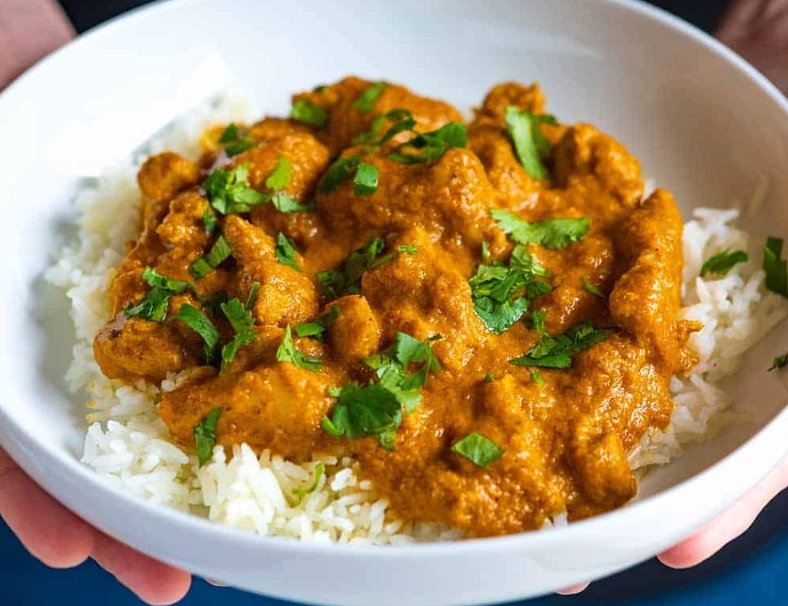
This guide isn't just another list. We're going to dig into the classics everyone should try, uncover some incredible regional dishes you might not know, and tackle the real questions that stop people from cooking Indian food at home. Where do you start? What if you can't find a specific ingredient? How do you get that deep, restaurant-style flavor?
The Undisputed Classics: Best Indian Recipes to Master First
If you're building your Indian cooking repertoire, start here. These are the crowd-pleasers, the dishes with timeless appeal. Mastering a few of these will give you the confidence to explore further.
Butter Chicken (Murgh Makhani)
It's popular for a reason. Tender chicken in a creamy, tomato-based sauce that's rich but not overwhelming. The secret isn't just dumping cream in at the end. It's in the marination (yogurt, lemon, ginger-garlic paste, and spices) and the slow cooking of the tomato base until it loses its raw acidity. A good butter chicken sauce should coat the back of a spoon. Some recipes are too sweet for my taste, so I always balance the sweetness with a touch of kasuri methi (dried fenugreek leaves) crushed between my palms at the very end. It makes all the difference.
Rogan Josh (Lamb Curry)
This Kashmiri dish is a masterpiece of slow cooking. The name translates to "red juice," referring to its deep, vibrant color from Kashmiri red chilies (which are more about color and a fruity flavor than brutal heat). The lamb becomes incredibly tender, falling off the bone, and the gravy is aromatic and complex. It's one of those best Indian recipes that tastes even better the next day. If you find a recipe that uses a ton of cream, it's probably not authentic. The richness here comes from yogurt and the slow-rendered fat from the meat.
Tandoori Chicken & Chicken Tikka
Let's clear this up: Tandoori Chicken is the whole chicken leg or breast, marinated in yogurt and spices (with plenty of red color from Kashmiri chili or food color), and traditionally cooked in a clay oven (tandoor). Chicken Tikka is boneless chunks of chicken, given a similar treatment. You can make a fantastic version at home under a broiler or on a very hot grill. The key is the marinade time—overnight is ideal. The yogurt tenderizes the meat beautifully. Serve it with sliced onions, lemon wedges, and green chutney. Simple, smoky, and utterly satisfying.
Beyond the Restaurant Menu: Street Food & Home-Style Gems
Some of the best Indian recipes never make it to restaurant menus abroad. They're the everyday food, the street-side snacks, the comfort food of home kitchens.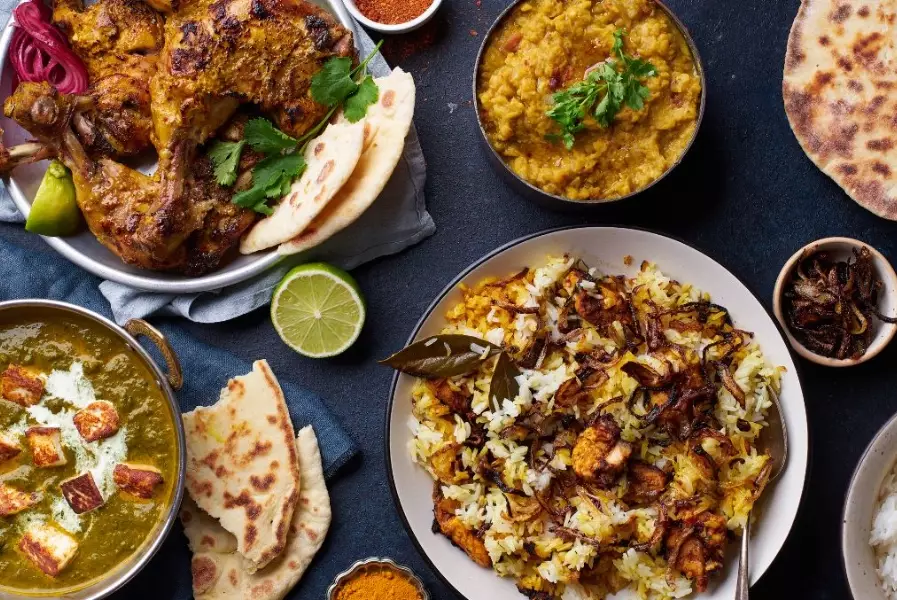
| Dish | What It Is | Why It's a "Best" Recipe | Key Challenge |
|---|---|---|---|
| Chana Masala | A spicy, tangy chickpea curry. | It's vegan, packed with protein, incredibly flavorful, and cooks in under 30 minutes if you use canned chickpeas. | Getting the right balance of tang (from amchur/dry mango powder or lemon) and heat. |
| Pav Bhaji | A buttery mashed vegetable curry served with soft dinner rolls. | It's a brilliant way to use up veggies. Fun to eat, incredibly flavorful, and a total crowd-pleaser for parties. | Getting the "bhaji" (curry) to the perfect mashed, almost paste-like consistency without turning it into mush. |
| Dal Tadka | Lentils tempered with ghee, cumin, garlic, and dried red chilies. | The ultimate comfort food. It's nourishing, simple, and the tempering (tadka) adds a burst of aroma and flavor that transforms plain lentils. | Not overcooking the lentils to a sludgy texture. The tempering must be poured over the hot dal at the last second. |
| Masala Dosa | A crispy fermented rice-lentil crepe stuffed with spiced potatoes. | An iconic South Indian breakfast. The contrast between the crispy dosa and the soft, savory filling is magical. | The fermentation process for the batter can be tricky depending on your climate. (But pre-made mixes work in a pinch!). |
Pav Bhaji is my go-to for a casual dinner with friends. You can prep the veggie mash ahead of time, and then just reheat it on the stove when everyone's ready, drowning it in butter (yes, really) and serving it with toasted buns. It's messy, interactive, and always gets people talking.
The Heart of the Matter: Essential Indian Cooking Knowledge
You can follow a recipe, but understanding the "why" will make your food taste a hundred times better. This is what separates okay Indian food from great Indian food.
The Holy Trinity (and its cousins): Onion, Ginger, Garlic
This is your foundation. For most North Indian curries, you'll start by cooking finely chopped or pureed onions until they are golden brown. This isn't just softening them—it's caramelizing them to develop a deep, sweet base flavor. Then you add ginger-garlic paste. South Indian cooking often starts with mustard seeds, curry leaves, and lentils tempering in oil. Knowing your base is step one.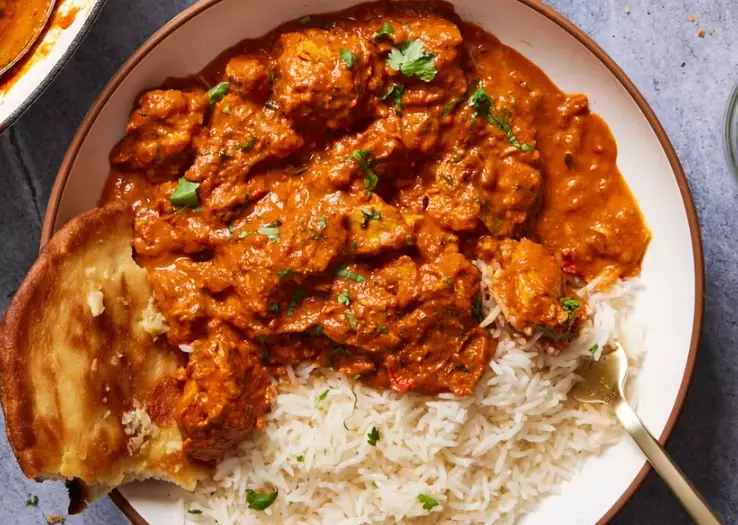
Spice Management: Whole vs. Ground, Blooming, and Blending
This is where people get nervous. Don't be.
Your Starter Spice Kit:
- Whole: Cumin seeds, mustard seeds, black peppercorns, cardamom pods (green & black), cinnamon sticks, bay leaves, dried red chilies.
- Ground: Turmeric, coriander powder, cumin powder, red chili powder (Kashmiri for color, a hotter variety for heat), garam masala.
Whole spices are often tempered in hot oil or ghee at the beginning of cooking. This "blooms" their flavor, infusing the entire dish. Ground spices are usually added after the onions/ginger/garlic are cooked, and you need to fry them for a minute or two to cook out their raw taste. Adding ground spices to cold oil can make them taste gritty and bitter. Garam masala, a warming blend, is typically added at the very end of cooking to preserve its aroma.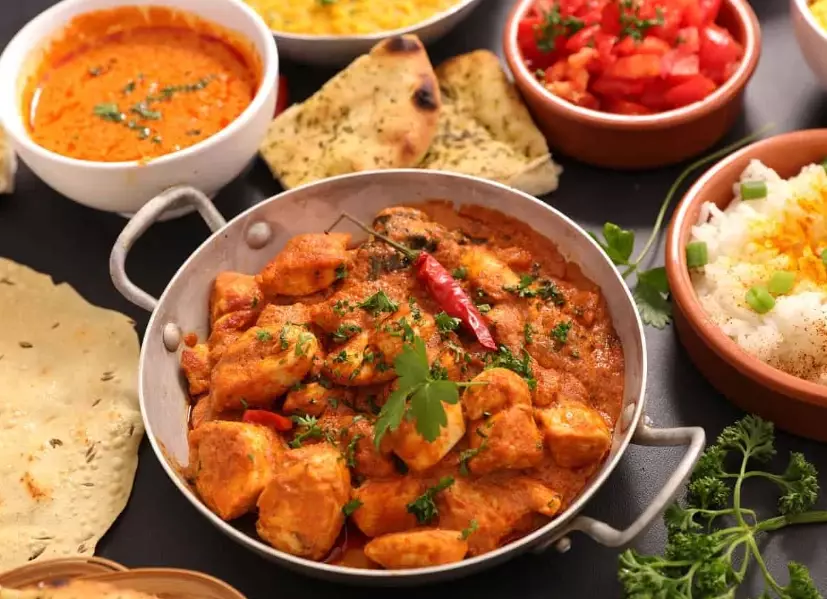
The "Dhungar" Method (Smoke Infusion)
This is a restaurant trick you can easily do at home to add a smoky, tandoori-like flavor. After your curry or dal is cooked, place it in a heavy-bottomed pot with a tight lid. Heat a small piece of charcoal on an open flame until it's red-hot. Place it on a small piece of foil or in a metal bowl inside the pot. Drizzle a teaspoon of ghee or oil over the charcoal—it will immediately start smoking. Quickly put the lid on and let it sit for 5-10 minutes. The smoke infuses the entire dish. It's a game-changer for dal or butter chicken.
Navigating Regional Flavors: A Quick Tour
Indian food isn't a monolith. The best Indian recipes come from specific regions, each with a distinct personality.
South Indian: Think rice, lentils, coconut, and tangy flavors. Dishes are often lighter, with a focus on fermentation (dosa, idli) and tempered flavors using mustard seeds, curry leaves, and asafoetida. A classic Sambar or Vegetable Stew with appams is a beautiful introduction.
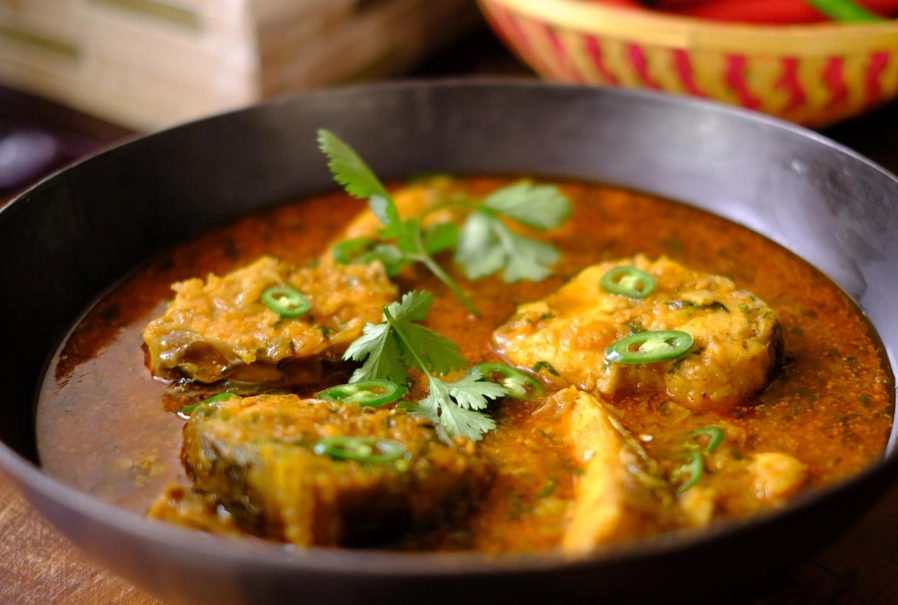
Bengali: Delicate, fish-focused, with a love for mustard oil and poppy seeds. A simple Maachher Jhol (fish curry) with mustard paste is a revelation if you're used to heavy cream-based curries.
Gujarati: Predominantly vegetarian, with an inherent sweetness and tanginess in many dishes (from jaggery and tamarind). Their Dhokla (steamed fermented chickpea cakes) is a famous, healthy snack.
Punjabi: The robust, hearty food most of the world thinks of as "Indian." Rich, buttery, dairy-heavy, and packed with flavor. This is the home of butter chicken, sarson ka saag, and robust dal makhani.
I made a Goan fish curry once, using a recipe I found from a Goan home cook's blog. It used fresh coconut and kokum (a souring fruit) instead of tomatoes or yogurt. It was so different from anything I'd had before—bright, tangy, and coconutty. It taught me to look beyond the usual borders.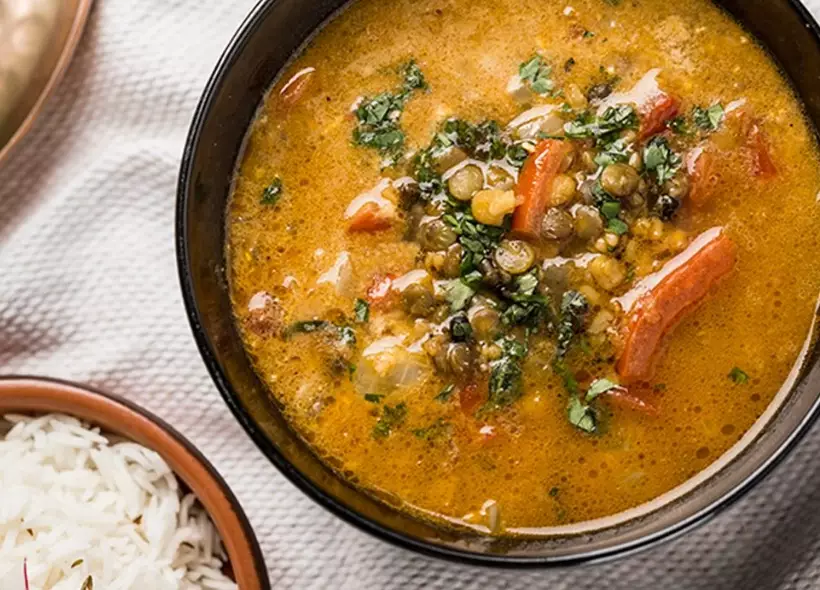
Your Burning Questions, Answered (FAQ)
Let's tackle the real hurdles head-on.
I don't have an Indian grocery store nearby. What can I substitute?
You can do a lot with a well-stocked supermarket. Can't find fresh curry leaves? Skip them (they're hard to substitute, but the dish will still be good). No asafoetida? A tiny pinch of garlic powder can work in a pinch for that savory note. For kasuri methi (dried fenugreek), a tiny bit of fresh celery leaf can hint at the bitterness, but it's not perfect. For authentic recipes and potential substitutions, the BBC Good Food guide to Indian ingredients is a trustworthy resource. The key is not to stress. The dish will still be delicious.
How can I make my curries less watery?
Two main reasons: 1) Not cooking the onion-tomato base down enough. Cook it until it's thick and the oil separates. 2) Adding too much water. Remember, vegetables and meat release water as they cook. Start with less liquid than you think you need—you can always add more. Also, a paste of cashews, almonds, or melon seeds can thicken a sauce beautifully while adding richness.
Is it safe to cook with yogurt? Won't it curdle?
It's safe and delicious. To prevent curdling, take the yogurt out of the fridge to bring it to room temperature. Whisk it until smooth. When adding it to the hot curry, lower the heat to a simmer and add a spoonful at a time, stirring constantly to incorporate it gently before adding more.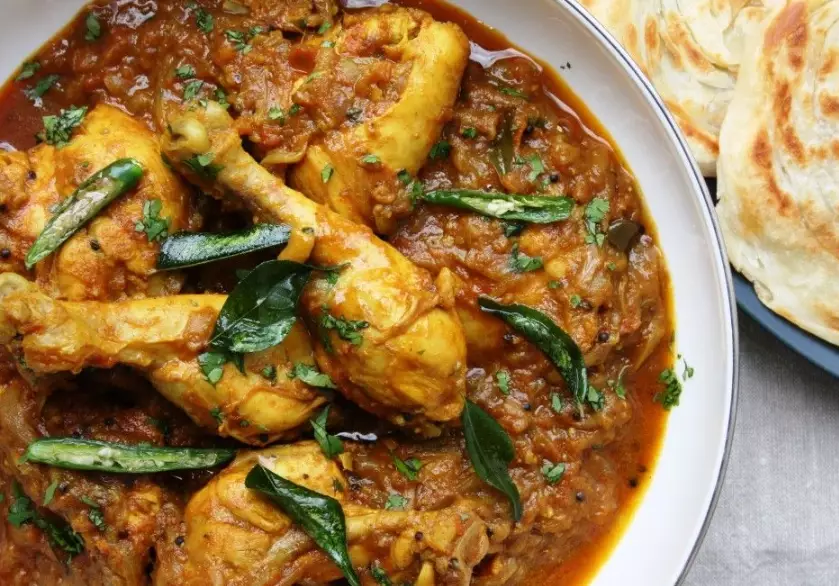
What's the best pan to use?
A heavy-bottomed, deep skillet or Dutch oven is ideal. It distributes heat evenly, preventing hot spots that burn spices. Non-stick is okay for some things, but for proper browning and tempering, stainless steel or cast iron is better.
How do I adjust the spice level for kids or sensitive palates?
Control the heat at the source. Use Kashmiri red chili powder for color with minimal heat. Reduce or omit green chilies. You can always serve a spicy pickle or chutney on the side for those who want more kick. Garam masala adds warmth, not necessarily heat, so you can still use it for flavor.
Putting It All Together: A Simple Roadmap for Your First Perfect Curry
- Prep is everything. Chop your onions, make your ginger-garlic paste, measure your spices, and have your main ingredient (chicken, veggies) ready. Indian cooking moves fast once you start.
- Build the base. Heat oil/ghee. Add whole spices (like cumin seeds, cardamom) for 30 seconds until they sizzle. Add onions and cook slowly until golden brown. Add ginger-garlic paste and cook for another minute until the raw smell disappears.
- Cook the ground spices. Add your ground spices (turmeric, coriander, chili powder). Fry for 1-2 minutes. If it looks too dry and risks burning, add a splash of water.
- Add the main ingredient. Add your chicken, veggies, or legumes. Coat them in the masala and cook for a few minutes.
- Simmer to perfection. Add liquid (water, stock, tomatoes). Bring to a boil, then reduce to a simmer. Cover and cook until everything is tender and the flavors have melded. This could be 20 minutes for vegetables or over an hour for lamb.
- Finish with love. Stir in garam masala, fresh cilantro, a dollop of cream (if using), or a knob of butter. Taste and adjust salt. Let it sit, covered, for 5-10 minutes before serving.
See? It's a process, but it's a logical one. It's about patience and building. The first time you nail it, you'll be hooked. You'll start tweaking recipes, adding a bit more of this or that, making them your own.
The real magic of the best Indian recipes isn't just in the eating. It's in the process. The rhythmic chopping, the heady aroma of spices hitting hot oil, the slow, patient simmer. It's cooking that engages all your senses.
So, pick one dish that calls to you. Maybe it's a creamy butter chicken, a hearty chana masala, or a comforting dal tadka. Gather your ingredients, clear your counter, and give yourself the time to enjoy the process. Don't aim for perfection on the first try. Aim for edible, then tasty, then great. The journey to finding your personal list of best Indian recipes is half the fun. And when you sit down to eat something complex, flavorful, and made by your own hands? There's nothing quite like it. Now, go warm up your pan.
Discussion