Ask "what are some North Indian curries?" and you're opening a door to a world far richer than just "butter chicken." North Indian cuisine, shaped by the fertile plains of the Punjab, the royal kitchens of Lucknow, and the mountain valleys of Kashmir, offers an incredible variety of curries. These are not just sauces with meat thrown in; they are complex, layered gravies built on foundational techniques, each with a distinct personality. From the creamy, tomato-based classics of Delhi to the yogurt-rich, aromatic stews of the north-west, let's map out the essential North Indian curries you need to know.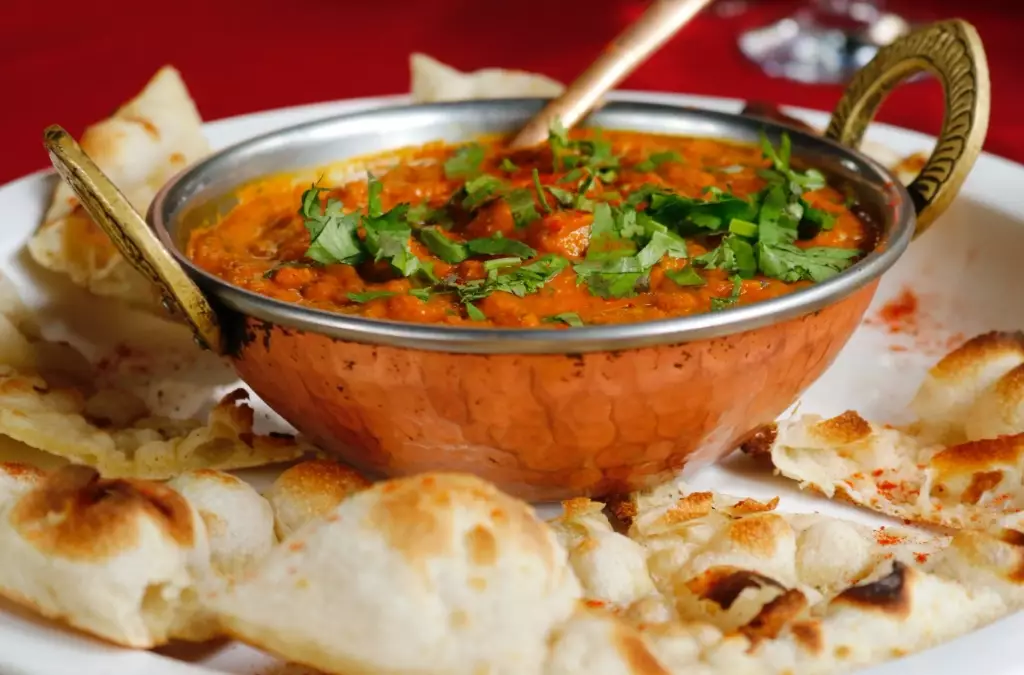
Your Curry Roadmap
The Essential Lineup: 10 North Indian Curries You Must Know
This table breaks down the heavy hitters. Don't just memorize names—understand their character. The "Key Characteristics" column is your cheat sheet for what to expect on the plate.
| Curry Name | Key Characteristics & Flavor Profile | Heat Level | Primary Region | Common Protein/Base |
|---|---|---|---|---|
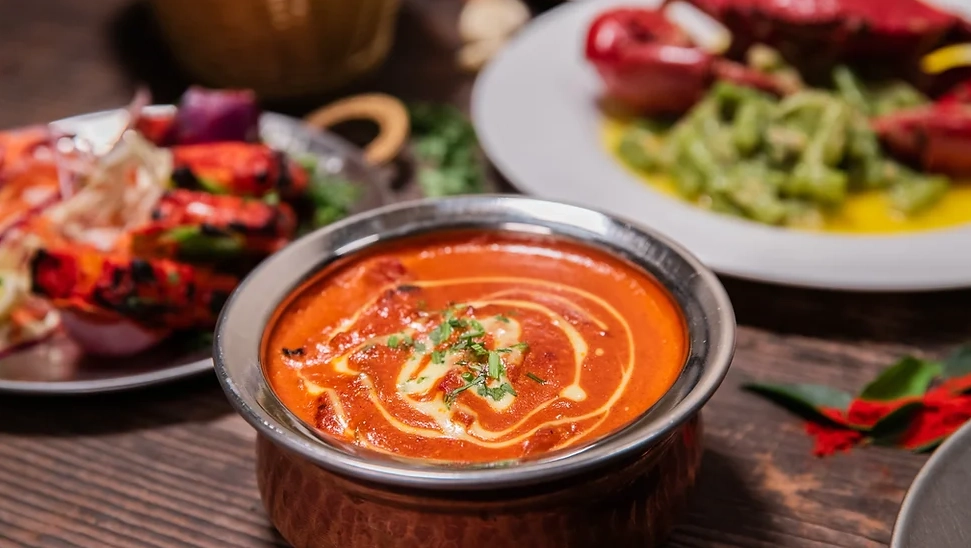
| Butter Chicken (Murgh Makhani) | Creamy, rich, slightly sweet tomato gravy with butter and cream. Tandoori chicken pieces added late. | Mild to Medium | Delhi/Punjab | Chicken |
| Chicken Tikka Masala | Often confused with Butter Chicken. Usually has a more robust, spiced tomato gravy, less sweet, sometimes with a hint of smokiness. | Medium | Popular Globally, roots in UK/India | Chicken (tikka pieces) |
| Rogan Josh | Deep red, aromatic curry from Kashmir. Flavored with Kashmiri red chilies (for color, not intense heat), fennel, ginger, and yogurt. | Mild to Medium | Kashmir | Lamb or Goat |
| Palak Paneer / Saag Paneer | Vibrant green curry made from puréed spinach (palak) or mustard greens (saag). Earthy, mildly spiced, with soft paneer cubes. | Mild | Punjab | Paneer (Indian cottage cheese) |
| Chana Masala | A hearty, tangy, and spicy chickpea curry. Relies on amchoor (dry mango powder) or lemon for tang, and a strong garam masala finish. | Medium to High | North India (Ubiquitous) | Chickpeas |
| Dal Makhani | The king of lentils. Black lentils and kidney beans slow-cooked for hours with butter, cream, and tomatoes. Deep, smoky, and luxurious. | Mild | Punjab | Black Lentils & Kidney Beans |
| Kadhai Paneer / Chicken | Defined by its cooking vessel (kadhai/wok) and use of crushed coriander seeds and dried red chilies. Thick, coarse gravy with capsicum and onions. | Medium to High | North India | Paneer or Chicken |
| Malai Kofta | Vegetarian "meatballs" (kofta) made from paneer/potatoes in a rich, creamy, nutty, and slightly sweet gravy. | Mild | North India | Paneer & Potato Koftas |
| Navratan Korma | A festive, mildly sweet curry packed with nine ("nav") types of vegetables, nuts, and sometimes paneer, in a creamy cashew-based sauce. | Mild | Mughlai (Royal) | Mixed Vegetables, Nuts |
| Bhuna Gosht | A "dry" or thick curry where meat (usually mutton) is "bhuna"—stir-fried and reduced in its own juices and spices until deeply caramelized. | Medium to High | North India & Pakistan | Lamb or Goat |
Look at Rogan Josh. Many recipes online drown it in tomato, which is a mistake. The authentic color comes from Kashmiri chilies, and the body from yogurt, not tomatoes. That's a nuance you won't find on every generic blog.
And Dal Makhani? The best versions simmer overnight. A restaurant that rushes it will never achieve that deep, smoky flavor. If you see it on a lunch buffet, ask if it's made fresh daily or just reheated.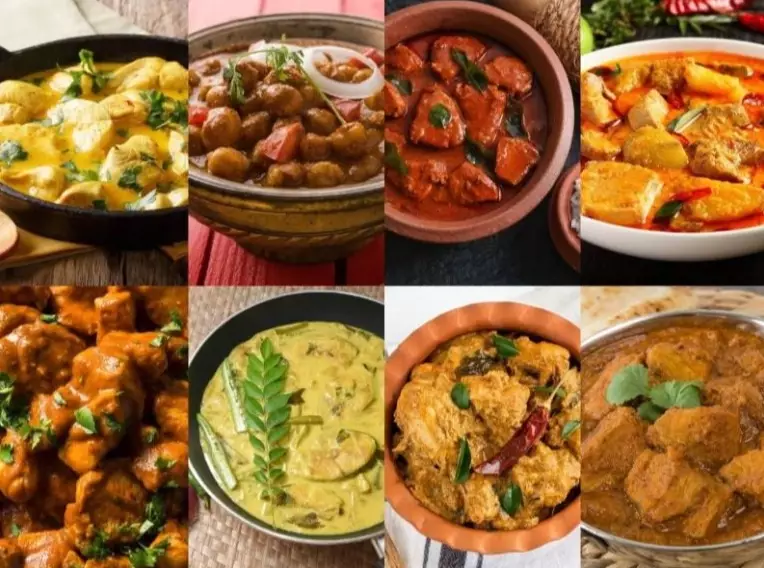
Beyond the Basics: Regional & Specialty Curries
Now let's go deeper. The classics are everywhere, but regional menus hold treasures.
Punjab's Hearty Staples
Beyond Butter Chicken, try Sarson da Saag with Makki di Roti—mustard greens curry with cornbread. It's a winter staple. In Amritsar, you'll find Amritsari Fish—fried fish in a spicy, tangy mustard-based gravy, nothing like the creamy curries you expect.
Kashmir's Aromatic Wonders
Rogan Josh is the star, but don't miss Gushtaba—minced meatballs in a velvety yogurt gravy, a wedding feast dish. Or Yakhni, a delicate, yogurt-based curry flavored with fennel and dry ginger, often with lamb.
Lucknow & Delhi's Mughlai Legacy
This is rich, nut-and-cream-based cuisine. Think Nihari—a slow-cooked, gelatinous shank curry eaten for breakfast. Or Korma in its true form: not a mild yellow sauce, but a complex, layered gravy of nuts, seeds, and spices, often with lamb or chicken.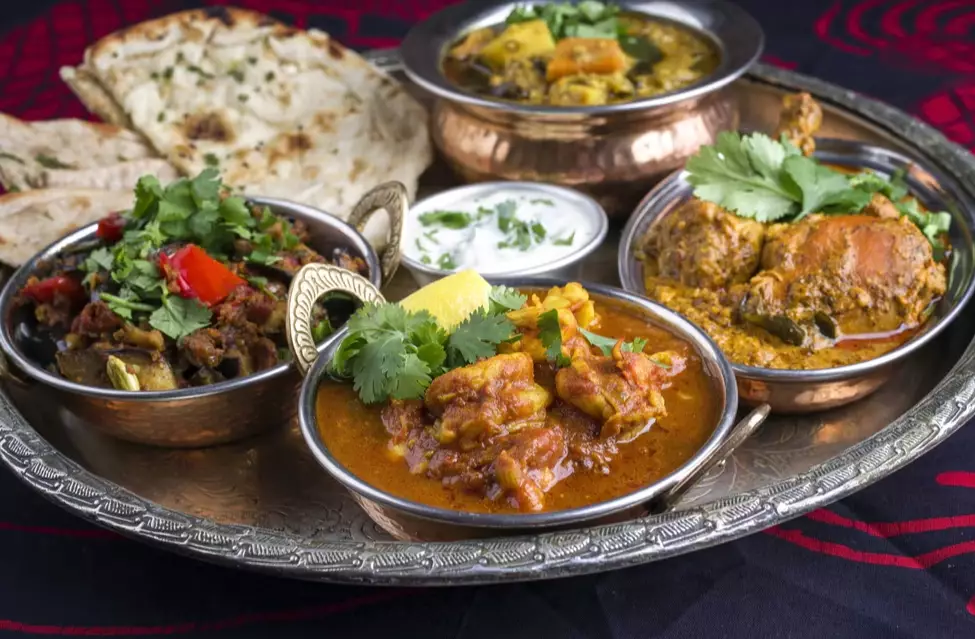
What Makes Them Tick: Key Ingredients & Cooking Basics
Understanding a few core elements demystifies these curries.
The Holy Trinity: Onion, Ginger, Garlic. Finely chopped or pasted, they're fried until golden. This is non-negotiable for depth.
The Tomato Factor: North Indian curries often use tomatoes for body and tang. They're cooked down until the oil separates—that's your visual cue the base is ready.
Spice Blends, Not Just Powder: Yes, garam masala is key, but it's added late. The foundation is whole spices—cumin seeds, cardamom, cloves, cinnamon—tempered in hot oil or ghee first.
The Creaminess Agents: It's not always cream. Yogurt (whisked smooth), cashew paste, poppy seed paste, or melon seed paste (in kormas) create that luxurious texture.
The Fat: Ghee (clarified butter) or mustard oil (in the east) is fundamental. It carries flavor. Low-fat versions often taste flat.
I once tried to make a "healthy" Butter Chicken with olive oil and skipped the final butter swirl. It was a sad, thin, orange soup. The fat is part of the flavor architecture.
Ordering & Cooking: How to Navigate the Menu or Your Kitchen
At a Restaurant
Ask about the "house special" curry. It's often where the chef shines. Pair wisely: a rich Malai Kofta needs a contrast like a dry Bhuna Gosht or a tart Chana Masala. Order a variety of breads—naan for scooping creamy curries, flaky paratha for drier ones.
Don't be shy about specifying heat level. "Indian medium" can be fiery. Say "mild," "medium," or "as the chef prefers for authentic taste."
Cooking at Home
Start with a solid base gravy (onion-tomato-ginger-garlic). Freeze it in portions. For a quick weeknight curry, sauté your protein, add a portion of base gravy, adjust spices, and finish with cream or yogurt.
Invest in whole spices. Toasting and grinding your own cumin and coriander makes a world of difference compared to pre-ground dust.
My most-used cheat? A tablespoon of kasuri methi (dried fenugreek leaves), crushed between your palms and stirred in at the end. It adds that elusive "restaurant" aroma to anything creamy.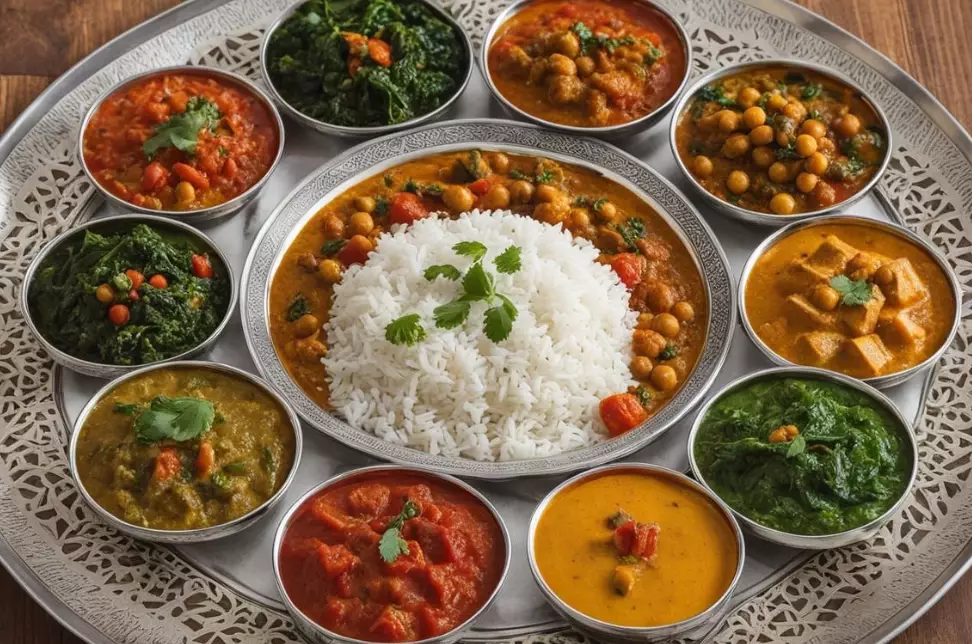
Curry Conundrums Solved: Your Questions Answered
 Exploring North Indian curries is a journey. Start with the famous ones, then branch out into regional specialties. Pay attention to the textures and spices. Ask questions at restaurants. And most importantly, don't be afraid to get a little messy with some naan. There's a whole world beyond the chicken tikka masala takeout container, and it's incredibly delicious.
Discussion