Ask any Indian home cook or chef about the most common dal, and you'll get the same answer almost every time: toor dal. Also known as arhar dal or pigeon pea, this split yellow legume isn't just common—it's the absolute cornerstone of daily meals for hundreds of millions of people, from Punjab down to Tamil Nadu. Its mild, nutty flavor and ability to break down into a creamy, comforting consistency make it the default choice for countless classic dishes. But "common" doesn't mean boring. Understanding toor dal is like getting a master key to Indian home cooking.
In this article
What Exactly Is Toor Dal?
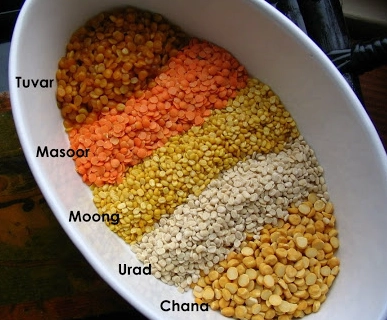
Let's clear up the names first. You'll see it labeled as toor dal, tuvar dal, arhar dal, or split pigeon pea. It's all the same thing. The whole pigeon pea is a small, round legume. When it's split and the skin is removed, you get the familiar flat, yellow disc that is toor dal.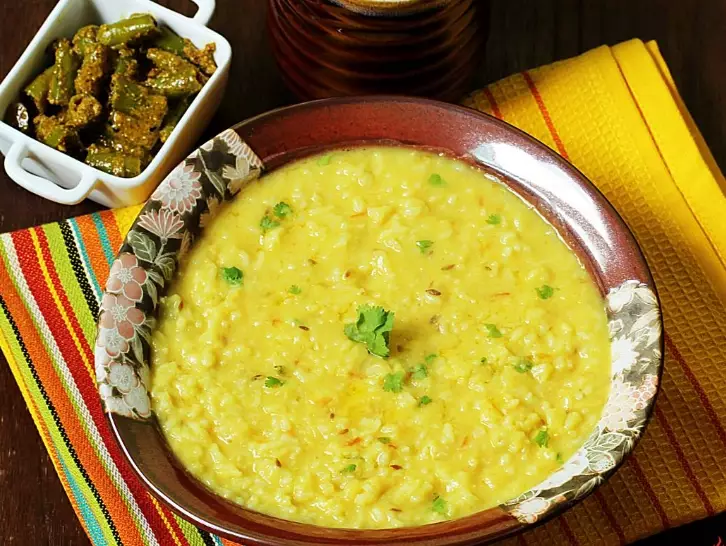
In the pot, it behaves differently from other common dals. Red lentils (masoor dal) cook faster and turn mushy. Chana dal (split chickpeas) holds its shape. Toor dal strikes the perfect middle ground. It softens completely, thickens the cooking liquid beautifully, and when whisked, creates that smooth, homogenous texture that's ideal for both soupy dishes and thicker preparations.
Why Toor Dal Is the Undisputed Champion
Its popularity isn't an accident. It's the result of a perfect storm of culinary practicality, nutrition, and cultural adaptation.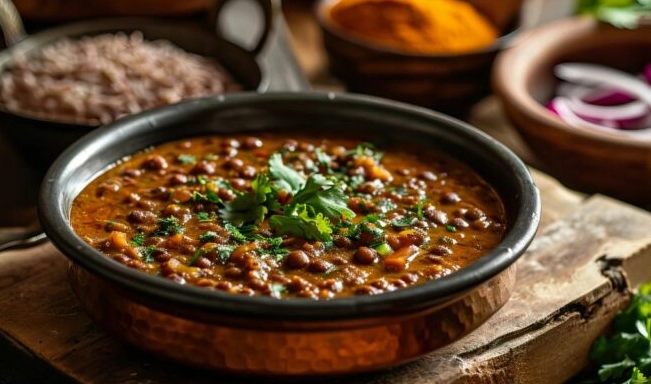
The Practical Powerhouse
Toor dal cooks relatively quickly compared to whole legumes (about 30-45 minutes with soaking). It doesn't require overnight soaking like chickpeas or kidney beans, making it a viable option for a weekday lunch. It's incredibly forgiving. Even if you slightly overcook it, you still get a delicious, creamy result—a fail-safe quality that home cooks love.
Economically, it's a winner. It's one of the most affordable sources of high-quality protein, especially in vegetarian diets. A kilogram bag lasts for many meals, providing a nutritional backbone without straining the budget.
Nutrition That Fits a Lifestyle
According to nutrient data from sources like the USDA FoodData Central, toor dal is packed with protein, complex carbohydrates, and dietary fiber. It has a low glycemic index, providing sustained energy. It's also a good source of folate, iron, and magnesium.
This nutritional profile directly supports the traditional Indian meal structure, where dal is paired with rice or roti to form a complete protein, ensuring balanced nutrition in a primarily plant-based diet.
Cultural and Regional Ubiquity
This is where toor dal truly shines. While other dals have regional strongholds (like urad dal in the North for dal makhani or chana dal in the East), toor dal is the national unifier.
- South India: It's the non-negotiable base for Sambar, the tangy, vegetable-laden lentil stew served with idli, dosa, and rice.
- West & Central India: Simple varan or dal tadka—tempered with cumin, mustard seeds, garlic, and dried red chilies in sizzling ghee or oil—is a daily staple.
- Maharashtra: Amti, a subtly sweet and sour dal, is a classic.
- Gujarat: It's used in slightly sweeter, tempered dals.
This cross-regional adoption cemented its status as the default "dal" in the generic sense.
How to Cook Perfect Toor Dal: A Foolproof Method
Here's the basic, no-fail technique I've used for years. The most common mistake beginners make is not cooking it long enough. Undercooked toor dal can taste slightly bitter and feel gritty.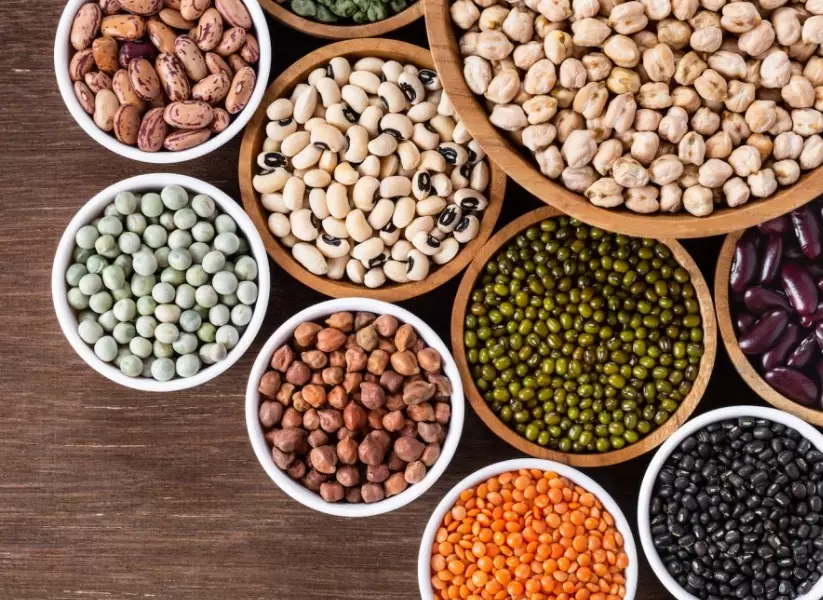
- Rinse: Measure 1 cup of toor dal. Put it in a bowl and rinse under cold water 2-3 times until the water runs mostly clear. This removes any dust.
- Soak (Optional but Recommended): Soak the rinsed dal in plenty of water for 30 minutes to an hour. This cuts cooking time by about 25% and leads to more even softening. You can skip this in a pressure cooker.
- Cook: Drain the dal and add it to a pot with 3 cups of fresh water, 1/2 teaspoon of turmeric, and a pinch of salt. Bring to a boil, then reduce heat to a simmer. Skim off any foam that forms. Cook uncovered for 30-45 minutes, stirring occasionally, until the dal is completely soft and mashes easily between your fingers. In a pressure cooker, cook for 3-4 whistles on medium heat.
- The Whisking Secret: Once cooked, take a whisk or the back of a ladle and vigorously whisk the dal for a minute. This is the magic step that releases the starch and transforms it from separate grains into a creamy, cohesive soup. This is what gives restaurant-style dal its body.
Now your dal base is ready for the final tempering (tadka) or to be used in dishes like sambar.
Iconic Dishes That Define Toor Dal
Toor dal's versatility is its superpower. Here are the classics where it's irreplaceable.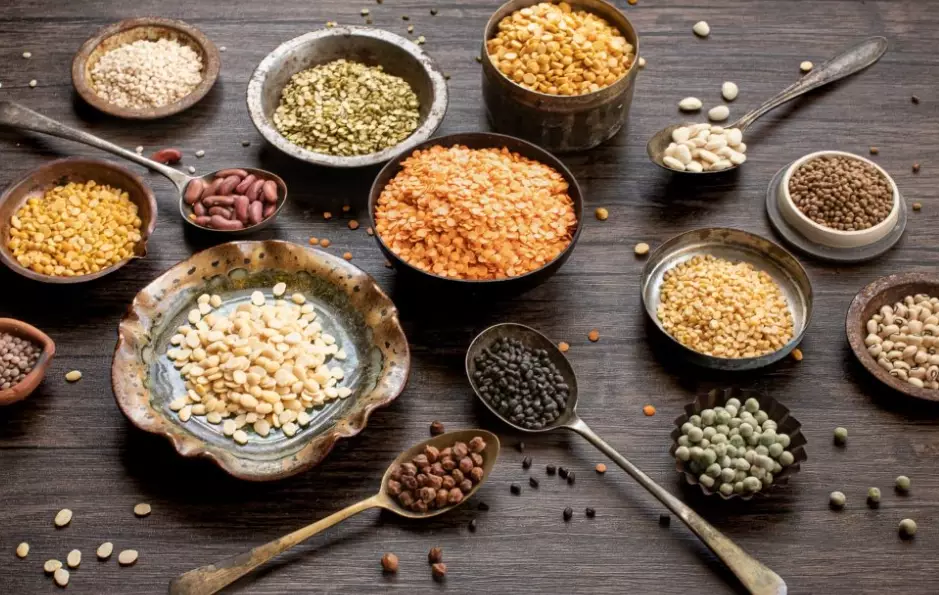
| Dish | Region | Key Flavor Profile | Why Toor Dal Works |
|---|---|---|---|
| Sambar | South India | Tangy, spicy, savory from tamarind, sambar powder, and vegetables. | Its creaminess thickens the broth without overpowering. It blends seamlessly with the complex spice mix. |
| Dal Tadka / Varan | Pan-India (North/West) | Earthy, aromatic, punctuated by the crackle of cumin, garlic, and chilies in hot oil/ghee. | The neutral canvas perfectly absorbs the infused flavors of the tadka. The creamy texture is comforting with rice. |
| Dal Fry | North India / Restaurant staple | Rich, slightly tangy (often from tomatoes), with fried garlic and onion. | Holds up to longer cooking and the addition of fried aromatics without disintegrating into mush. |
| Pithla | Maharashtra | Spicy, thick gram-flour based curry, often with toor dal added. | Adds protein and body, turning a simple spiced gravy into a more substantial dish. |
You can't make authentic sambar with red lentils—it'll be too thin. You can't make a proper creamy dal tadka with whole urad dal—it'll be too heavy. Toor dal fits these culinary niches perfectly.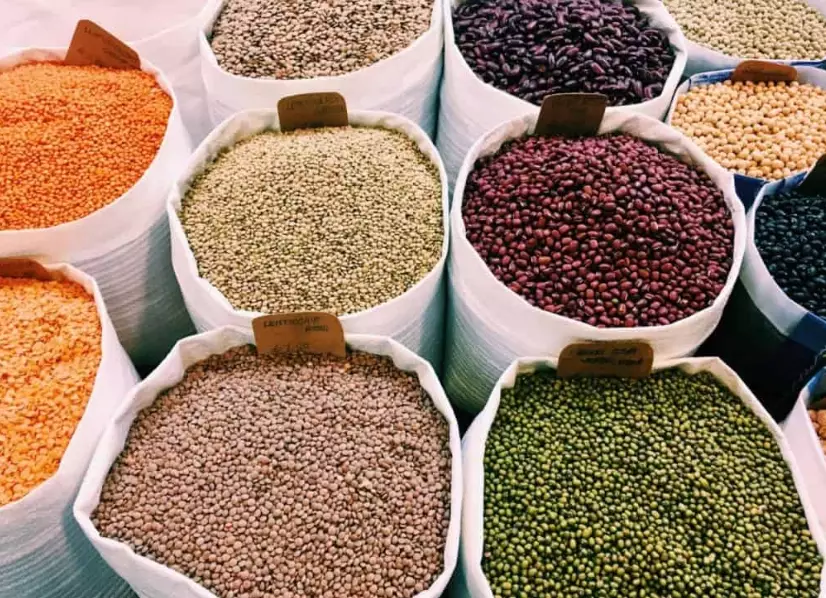
Buying and Storing Toor Dal: Expert Tips
Walk into any Indian grocery store, and you'll find bags and bulk bins. Here’s what to look for.
Appearance: The dal should be bright, uniform yellow. Avoid bags with lots of broken pieces, dark specks, or a dull, greyish hue. A slight variation in color is normal, but it should look vibrant.
Freshness is Critical: Old toor dal is the main culprit behind dal that never softens, no matter how long you cook it. It's a problem rarely discussed. If your dal has been sitting in the pantry for over a year, it might be time for a new bag. When buying from a bulk bin, give it a quick smell. It should smell clean and slightly nutty, not musty or stale.
Storage: Transfer it to an airtight container. Keep it in a cool, dark cupboard. For long-term storage (over 6 months), some people keep it in the freezer to prevent infestation and maintain cooking quality.
Organic vs. Conventional: Organic toor dal is widely available now. In my experience, it often cooks more evenly and has a slightly better flavor, but conventional is perfectly fine for everyday use.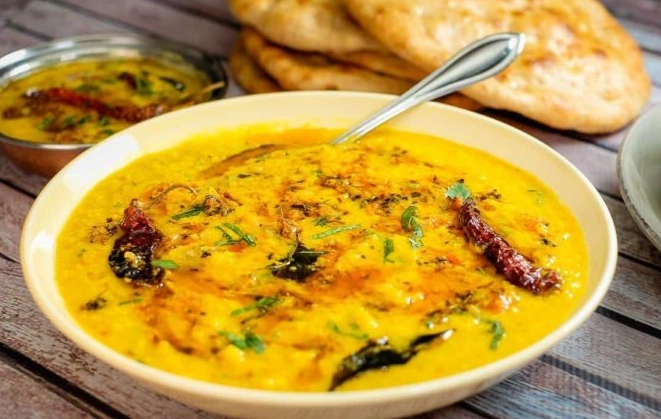
Your Toor Dal Questions Answered
You can, but manage your expectations. Canned cooked dal is a huge time-saver for a quick fix. The texture will be much softer, almost pureed, and the flavor is blander because it's just boiled in water. You'll need to compensate by building flavor aggressively in your tadka and possibly simmering it for a few minutes with your spices to let them penetrate. For a traditional, textured dal, starting from dry is still superior.
Bitterness usually points to one of two issues. First, and most likely, the dal was undercooked. Toor dal needs to be completely soft all the way through. A slight raw core can taste bitter. Second, check your turmeric. In rare cases, very old or low-quality turmeric powder can impart a bitter note. Always add turmeric at the beginning of cooking with the dal; frying it later in high heat can sometimes make it bitter.
No, and this is a key distinction. The iconic, creamy dal makhani of Punjabi cuisine is based on whole black gram (sabut urad dal), often with some rajma (kidney beans). Toor dal is not used in that dish. Dal makhani is richer, darker, and has a completely different texture. Confusing the two is like confusing the base for a marinara sauce with the base for a beef stew.
The secret isn't cream—it's the whisking (or vigorous mashing) after cooking, as mentioned earlier. Restaurants often cook large batches of dal for a long time, which breaks it down completely. Then they whisk it before service. This simple mechanical action releases all the starch and creates a naturally creamy, luxurious texture. Also, don't be shy with the final tadka (tempering) in ghee or oil. That fat emulsifies into the dal, enriching the mouthfeel.
You've probably got old dal. The older the legume, the harder its shell becomes, and the longer it takes to absorb water and soften. It's a natural process. If soaking and extended simmering isn't working, your best bet is to use a pressure cooker, which forces water into the grains. For future purchases, try buying from a store with higher turnover to ensure freshness.
Discussion