Let's be honest. The store-bought idli batter is a gamble. Sometimes it's sour, sometimes it's flat, and the idlis turn out dense or gummy. After one too many disappointing breakfasts, I decided to crack the code for homemade idli batter. It took me a few failed batches—we're talking hockey pucks, not fluffy clouds—but I finally nailed it. The process is simple, but the devil is in the details. This guide walks you through every single one of those details, from picking the right rice to knowing exactly when your batter is ready to steam.
Your Quick-Read Guide
The Non-Negotiable Rice & Lentil Ratio
This is where most beginners mess up. You can't just eyeball it. The classic ratio for idli batter is 4 parts rice to 1 part urad dal (black gram lentils). That's your foundation. But within that, you have choices that affect texture.
For rice, I use a mix. 2 parts parboiled rice (like Sona Masoori or Idli Rice) and 2 parts regular short-grain rice. The parboiled rice gives structure and that slight graininess, while the short-grain rice adds softness and helps with fermentation. Some people swear by only parboiled rice, but the mix gives me consistently better results.
For the dal, use whole, skinless urad dal (split white urad dal). The skin can make the batter greyish and slightly bitter. Don't skip the fenugreek seeds (methi). Adding about 1 teaspoon per cup of urad dal is a game-changer. They act as a natural preservative and significantly aid fermentation, giving your idlis that subtle, signature aroma.
| Ingredient | Type & Purpose | My Recommended Measure (for ~20 idlis) |
|---|---|---|
| Rice | Parboiled (Idli Rice) + Short Grain (for structure & softness) | 2 cups total (1 cup each type) |
| Urad Dal | Whole, skinless (for aeration & fermentation) | 1/2 cup |
| Fenugreek Seeds | Whole (fermentation booster & flavor) | 1 teaspoon |
| Water | Filtered, at room temp (for grinding & consistency) | As needed (approx. 2.5 cups total) |
| Salt | Rock salt or fine sea salt (flavor) | 1.5 to 2 teaspoons (add after fermentation) |
My Foolproof Step-by-Step Process
I'm not a fan of soaking everything together. Grinding them separately gives you control over the texture, which is crucial.
1. Soaking (The 6-Hour Rule)
Wash the rice mix and urad dal (with fenugreek seeds) in separate bowls until the water runs clear. Soak them in plenty of fresh water. Minimum 4 hours, ideal 6 hours. In warmer climates, 4 hours is enough. In colder places, go for 6. This softens the grains, making them easier to grind and helping kickstart fermentation.
2. Grinding (Texture is Everything)
Drain the urad dal first. Grind it in a wet grinder or a high-powered blender with water added in small increments. You're aiming for a smooth, fluffy, and airy paste. It should be light and almost double in volume as you grind. This takes time—about 20-25 minutes in a wet grinder. If the motor heats up, stop and let it cool. A hot blender kills the microbes needed for fermentation.
Transfer the urad dal batter to a large, clean container. Now, drain the rice. Grind it with water to a slightly coarse paste. It should feel gritty between your fingers, like fine semolina. If you grind it too smooth, your idlis can become dense.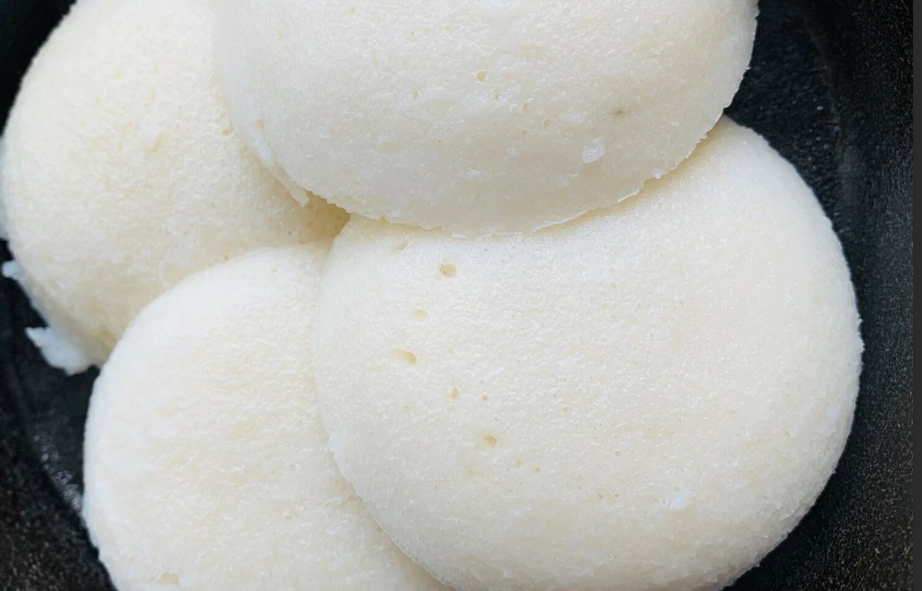
3. Mixing & The First Ferment
Combine the rice and urad dal batters in your large container. Use your hand to mix them thoroughly for a couple of minutes. This isn't just tradition—the natural yeast and bacteria on your skin can actually help the fermentation process. Mix until you have a uniform, thick, dropping consistency. It should coat your hand and fall off slowly.
Cover the container loosely with a lid or plate. Do not seal it airtight. The bacteria need oxygen to work. Let it sit in a warm, draft-free spot for 8-12 hours.
The Real Secret: Mastering Fermentation
This is the heart of the whole operation. A good idli batter should almost double in volume and be filled with tiny bubbles. You should see a network of air pockets on the surface. It will have a pleasant, slightly sour aroma—not a sharp, unpleasant sourness.
What if your kitchen is cold? This is the most common hurdle. Here are my field-tested tricks:
- Oven with Light On: The best method. Place the covered batter in an oven (turned off) with just the interior light turned on. The small amount of heat is perfect.
- On Top of the Fridge: It's usually warmer up there due to the appliance's motor.
- In a Warm Water Bath: Place your batter container in a larger tub of lukewarm water (not hot!). Replace the water every few hours to maintain gentle warmth.
After fermentation, add salt and mix gently to incorporate. Don't beat the air out. Your batter is now ready. You can use it immediately or refrigerate it for up to 3-4 days. The cold slows fermentation. The batter will thicken in the fridge, so thin it slightly with water before steaming.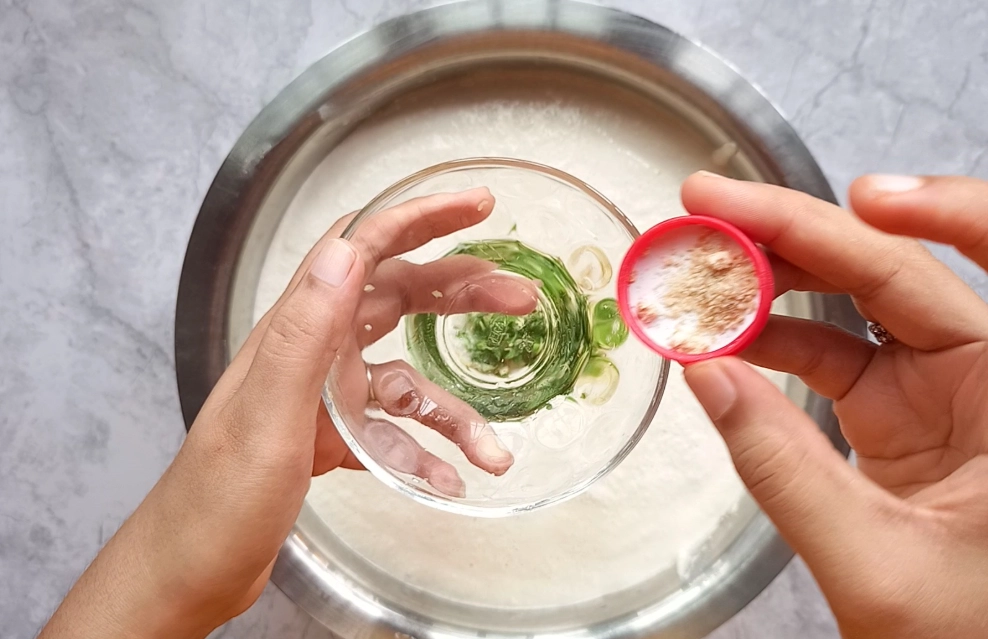
Common Mistakes & How to Fix Them
I've made these so you don't have to.
Dense, Heavy Idlis: Usually caused by grinding the rice too fine, using old/urad dal with low protein content, or insufficient fermentation. Ensure your urad dal batter is super fluffy and your fermentation spot is warm enough.
Batter Not Rising: The kitchen is too cold. Use the oven-light trick. Also, check the freshness of your urad dal. Stale dal won't ferment well. Using chlorinated tap water can also inhibit the good bacteria; use filtered or boiled-and-cooled water.
Idlis Sticking to the Plates: Grease the idli plates generously with coconut oil or ghee while they are cold, before pouring the batter. Don't use olive oil or butter; they burn at steaming temperatures.
Sour Batter Too Fast: You over-fermented it, likely in a very hot environment. In summer, fermentation might only take 6-8 hours. Once fermented, refrigerate immediately to halt the process.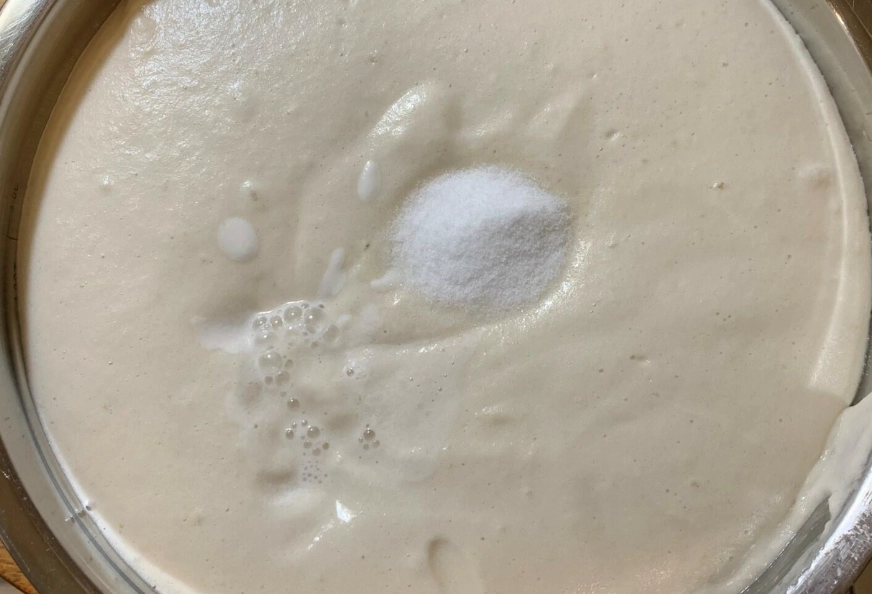
Your Idli Batter Questions Answered
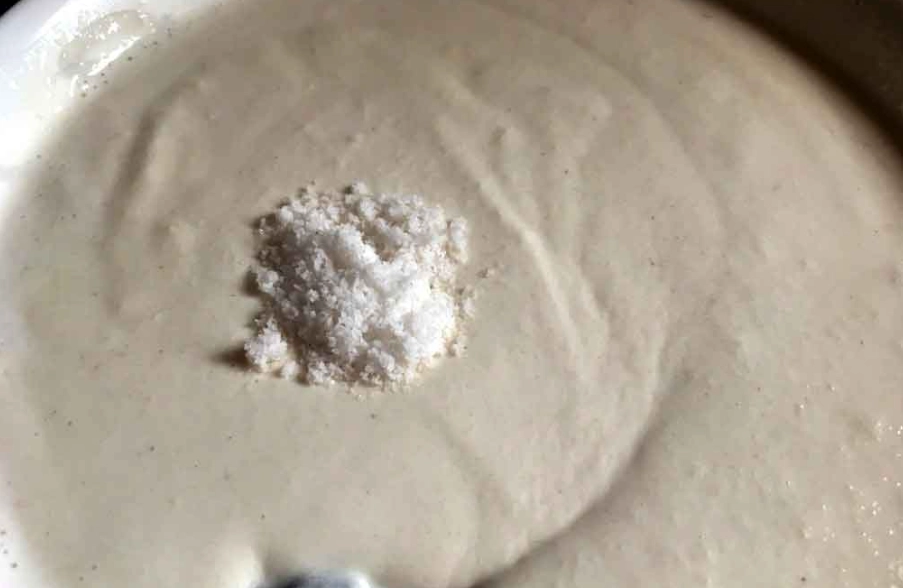 How much water should I add for the right consistency?
Making idli batter at home is a simple rhythm—soak, grind, ferment. Once you get the feel for that bubbly, active batter, there's no going back. It's cheaper, tastier, and you control everything. Start with the 4:1 ratio, find a warm spot for your batter to sleep, and you're halfway there. The rest is just patience and a bit of practice. Now go steam some perfect, fluffy idlis.
Discussion